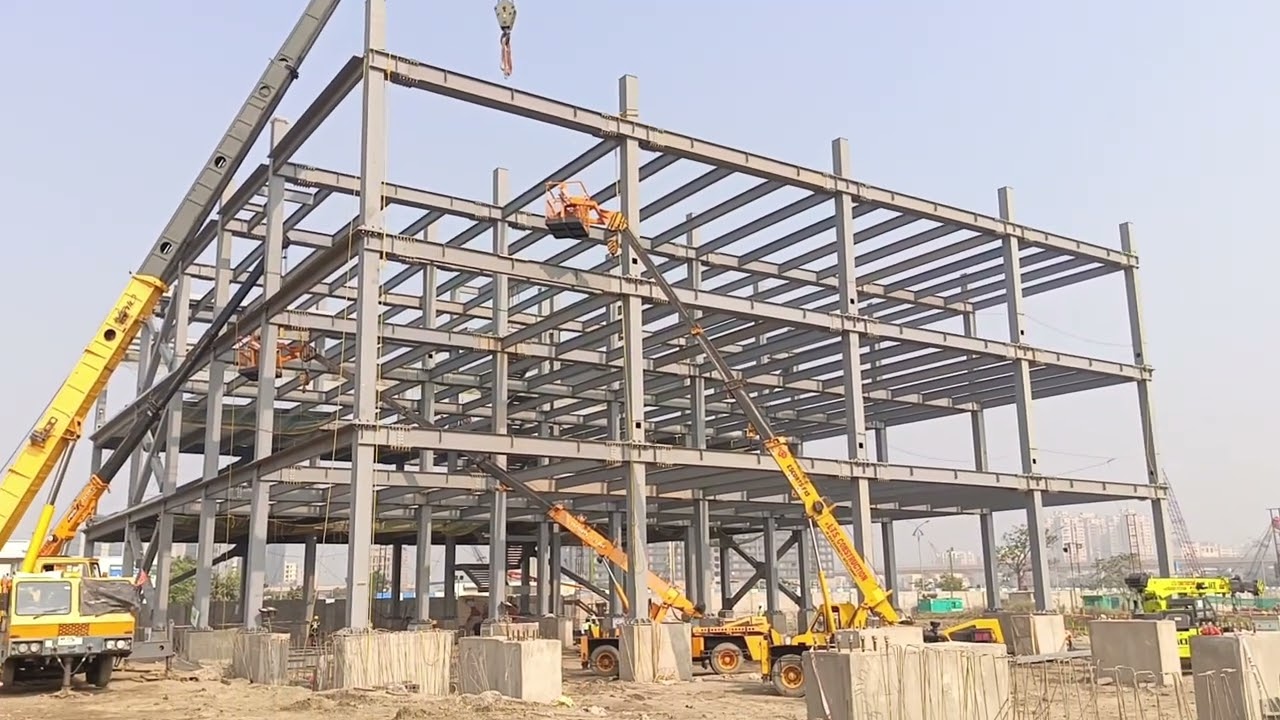
Firefighting installation in buildings typically involves the setup of systems designed to detect, control, and extinguish fires. Here’s an overview of the work involved:
1. Fire Detection Systems
- Smoke Detectors: Install smoke and heat detectors in appropriate locations.
- Fire Alarm Systems: Set up manual call points, fire alarms, and control panels.
- CCTV Integration: Connect detection systems to CCTV for monitoring.
2. Fire Suppression Systems
- Sprinkler Systems: Install automatic sprinkler systems throughout the building.
- Gas Suppression Systems: Use clean agents like FM200 or CO2 for areas like server rooms.
- Foam Systems: Install foam-based systems for areas with flammable liquids.
3. Fire Hydrant Systems
- Piping and Hydrants: Install pipes and external/internal fire hydrants.
- Hose Reels: Set up hose reels and nozzles for fire fighting.
- Fire Pumps: Install and connect pumps (jockey, main, and diesel).
4. Portable Fire Extinguishers
Place fire extinguishers (e.g., ABC, CO2, foam) in accessible locations according to building codes.
5. Emergency Exit Systems
- Emergency Lights: Install lights and exit signs for safe evacuation.
- Escape Routes: Ensure staircases, doors, and pathways meet safety standards.
6. Control and Monitoring Fire
- Control Room: Set up a centralized system for monitoring alarms and sprinklers.
- Integration with BMS: Connect fire systems with the Building Management System.
7. Compliance and Testing
- NFPA/Local Standards: Ensure installations comply with regulations like NFPA or local fire codes.
- Testing and Commissioning: Perform tests to confirm system functionality.